

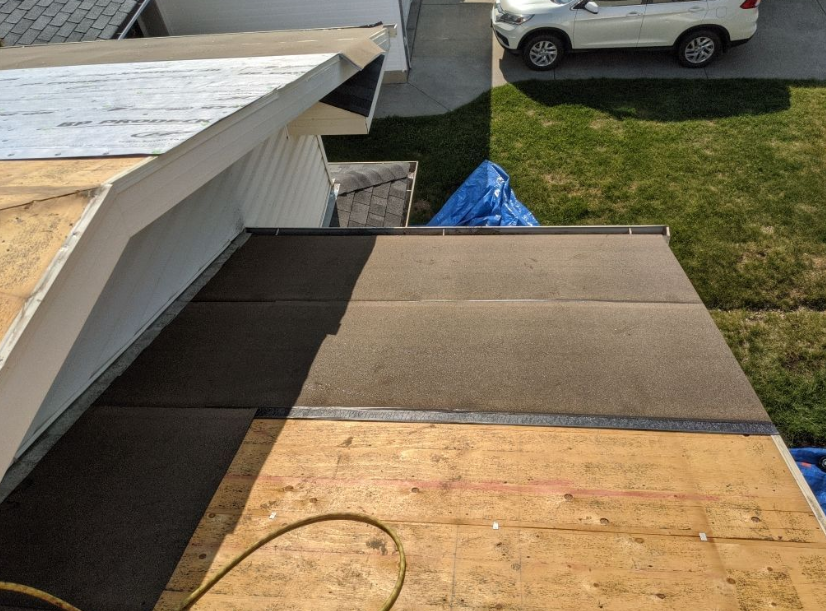
Winter in Alberta can place enormous pressure on a residential roofing system. Heavy snowfall, freezing temperatures, ice accumulation, strong winds, repeated freeze and thaw cycles, and sudden temperature changes can expose weaknesses that may have gone unnoticed throughout the warmer months.
For homeowners in Spruce Grove and Stony Plain, preparing the roof before winter is one of the most effective ways to reduce the risk of leaks, ice dams, moisture problems, damaged shingles, and unexpected emergency repairs.
A roof that looks perfectly healthy from the driveway may still have loose shingles, deteriorated flashing, blocked ventilation, damaged sealants, clogged gutters, or other vulnerabilities. Once snow and ice cover the roof, identifying and repairing those problems can become more difficult.
That is why preventative roofing maintenance matters.
Homeowners searching for roof repair Edmonton, roofing companies Edmonton, roofing leak repairs near me, residential roofing near me, affordable roofing near me, roofing contractor close by Alberta, metal roofing near me, or roof inspection near me should consider fall roof preparation an essential part of protecting their property.
This comprehensive guide explains how homeowners in Spruce Grove, Stony Plain, Edmonton, St. Albert, Sherwood Park, Beaumont, Leduc, and Devon can prepare their roofs for Alberta winter conditions and identify problems before they become expensive repairs.
Why Alberta Winters Are So Hard on Residential Roofs
A residential roof must perform throughout the year, but winter introduces several conditions simultaneously.
The roofing system may need to manage:
- Snow accumulation
- Ice
- Strong winds
- Freezing temperatures
- Melting and refreezing water
- Attic condensation
- Reduced drainage
- Rapid temperature fluctuations
Each condition can create its own problems.
When several occur together, an existing weakness in the roofing system can become much more serious.
For example, a small flashing problem that causes no visible issue during dry fall weather may begin allowing water inside when snow accumulates and starts melting.
A partially blocked gutter may appear harmless until freezing temperatures create ice buildup near the roof edge.
A poorly ventilated attic may become a much bigger concern once warm indoor air meets extremely cold roof surfaces.
Winter preparation is therefore about finding vulnerabilities before winter exposes them.
Start With a Professional Roof Inspection Before Winter
One of the smartest steps homeowners can take is scheduling a roof inspection before sustained winter weather arrives.
A professional inspection can evaluate areas that may be difficult to assess safely from the ground.
These can include:
- Asphalt shingles
- Architectural shingles
- Metal roofing
- Flashing
- Valleys
- Roof penetrations
- Vents
- Fascia
- Soffits
- Gutters
- Drainage
- Roof decking where accessible
- Attic conditions
The purpose is to identify problems early enough that appropriate repairs can be completed before snow and ice complicate the situation.
For homeowners already searching for roof repair Edmonton or roofing contractor close by near me, an inspection can also help determine whether a targeted repair is sufficient or whether broader roofing work should be considered.
Check for Missing Shingles
Missing shingles are an obvious vulnerability going into winter.
A shingle may disappear because of:
- Strong winds
- Previous storm damage
- Aging materials
- Installation deficiencies
Once a shingle is missing, the layers underneath may have reduced protection.
Snow can remain on a roof for extended periods. When temperatures rise, melting water can find weaknesses in the roofing assembly.
Replacing isolated missing shingles before winter can help prevent a relatively small problem from developing into a significant leak.
Look for Curling, Cracking, and Loose Shingles
Shingles do not need to be completely missing to create concern.
Homeowners should also watch for:
- Curling edges
- Cracks
- Loose sections
- Lifted corners
- Significant granule loss
- Areas that appear unusually worn
These signs can indicate that roofing materials are deteriorating.
Cold temperatures can make aging materials less flexible, while strong winter winds can place additional stress on already weakened shingles.
If deterioration is widespread, a professional inspection can help determine whether repairs remain practical or whether roof replacement Edmonton should be considered.
Inspect the Roof After Summer Hailstorms
One important part of winter preparation actually begins with reviewing what happened during summer.
Alberta can experience severe hailstorms, and hail damage is not always obvious immediately afterward.
Potential signs include:
- Granule loss
- Shingle bruising
- Cracking
- Damaged vents
- Dented gutters
- Flashing damage
A roof weakened by summer hail may be less prepared to handle winter snow, ice, and wind.
Homeowners in Spruce Grove and Stony Plain who experienced significant storms should consider a professional assessment before winter.
Repair Roof Leaks Before Snow Arrives
An existing leak should never be carried into winter if it can reasonably be addressed beforehand.
Water entering the roofing system can potentially affect:
- Roof decking
- Insulation
- Rafters
- Ceilings
- Drywall
- Interior finishes
Once winter arrives, snow can conceal the exterior source of the problem.
Homeowners searching for roofing leak repairs near me, roofing leak repair cost, or best roofing leak repair should arrange an assessment rather than assuming a small ceiling stain can wait until spring.
A small leak can indicate a larger roofing vulnerability.
Pay Close Attention to Roof Flashing
Flashing is one of the most important parts of a watertight roofing system.
It is commonly installed around:
- Chimneys
- Plumbing vents
- Skylights
- Valleys
- Wall intersections
- Other roof penetrations
Flashing helps direct water away from vulnerable joints.
If it becomes loose, damaged, corroded, or improperly sealed, melting snow can potentially find a pathway beneath the roofing materials.
A winter preparation inspection should therefore include flashing rather than focusing only on shingles.
Clean Gutters Before Freezing Temperatures Arrive
Gutters are an essential part of the roofing drainage system.
During fall, gutters can collect:
- Leaves
- Twigs
- Dirt
- Roofing granules
- Other debris
When gutters become blocked, water may not drain properly.
Once temperatures fall below freezing, trapped water can turn to ice.
This can contribute to:
- Gutter damage
- Ice accumulation
- Water backup
- Fascia deterioration
- Drainage problems
Cleaning gutters before winter gives melting snow a clearer path away from the roof and foundation.
Check Downspouts Too
Cleaning the gutter itself is only part of the job.
Downspouts should also allow water to move away efficiently.
Homeowners should check that downspouts are:
- Properly connected
- Free of major blockages
- Positioned to move water away from the foundation
A complete drainage system protects more than the roof. It also helps manage water around the entire property.
Understand How Ice Dams Form
Ice dams are one of the most important winter roofing concerns for Alberta homeowners.
They commonly develop when heat from the home reaches the attic and warms portions of the roof deck.
Snow begins melting higher on the roof.
The meltwater travels downward until it reaches a colder portion near the eaves.
There, the water freezes again.
As this process repeats, ice can accumulate and create a barrier.
Additional meltwater may then collect behind the ice.
If water reaches vulnerable areas beneath roofing materials, leaks can develop.
Why Ice Dams Are More Than an Exterior Problem
Ice dams may appear to be simply an accumulation of ice along the roof edge, but the underlying causes can involve several parts of the home.
Potential contributing factors include:
- Insufficient insulation
- Air leakage into the attic
- Poor attic ventilation
- Blocked soffit vents
- Inconsistent roof temperatures
This is why repeatedly removing ice without addressing underlying conditions may not provide a long-term solution.
A roofing and attic assessment can help identify why the problem is developing.
Evaluate Attic Insulation Before Winter
Insulation helps keep heated indoor air where it belongs.
When attic insulation is inadequate or uneven, heat may move more readily into the attic.
That can contribute to uneven roof temperatures and conditions associated with ice dam formation.
Homeowners should look for signs such as:
- Uneven insulation
- Compressed insulation
- Wet insulation
- Areas where insulation has shifted
Wet insulation deserves particular attention because moisture can reduce its effectiveness and indicate another problem requiring investigation.
Don’t Forget Air Sealing
Insulation alone does not address every source of attic heat.
Warm indoor air can travel through gaps and penetrations.
Potential air leakage areas may include:
- Attic access points
- Electrical penetrations
- Plumbing penetrations
- Other openings between conditioned living space and the attic
Reducing unintended air leakage can help improve overall attic performance.
Roofing, insulation, ventilation, and air sealing should be considered interconnected parts of winter roof protection.
Make Sure Roof Ventilation Is Working Properly
Proper attic ventilation is important throughout the year, but winter makes moisture management particularly important.
A ventilation system typically relies on intake and exhaust.
Intake ventilation commonly occurs near the soffits.
Exhaust ventilation allows air to leave higher in the roof system.
Problems can develop when:
- Soffit vents are blocked by insulation
- Ventilation pathways are obstructed
- Exhaust vents are damaged
- Intake and exhaust are poorly balanced
Proper airflow helps manage moisture within the attic and supports the overall roofing system.
Watch for Attic Condensation
Not every winter moisture problem comes from a roof leak.
Warm indoor air contains moisture.
When that air reaches cold surfaces inside the attic, condensation or frost can develop.
Possible warning signs include:
- Frost on attic surfaces
- Damp roof decking
- Wet insulation
- Water staining
- Musty odours
- Corrosion on metal components
Homeowners sometimes mistake condensation for an exterior roofing leak.
A professional inspection can help determine where the moisture is actually coming from.
Inspect Fascia and Soffits
Fascia and soffits are closely connected to roofing performance.
Damaged fascia may be more vulnerable to water and ice exposure.
Soffits can contain important intake ventilation.
Before winter, homeowners should look for:
- Peeling finishes
- Visible damage
- Loose sections
- Signs of moisture
- Blocked soffit vents
Maintaining these components helps protect the roof edge and supports proper attic airflow.
Trim Overhanging Branches
Trees can create roofing problems during winter.
Branches hanging over the roof may:
- Drop debris
- Rub against shingles
- Break under snow or ice
- Fall during strong winds
Trimming problematic branches before winter can reduce these risks.
Tree work near roofs can be dangerous, particularly when large limbs are involved, so appropriate professional assistance may be necessary.
Remove Debris From Roof Valleys
Roof valleys channel significant amounts of water toward the drainage system.
Leaves and other debris can interfere with this process.
Before winter, valleys should be checked for accumulation that may obstruct drainage.
This is particularly important because melting snow needs a clear route away from the roof.
Check Roof Penetrations
Any component passing through the roofing system deserves attention.
Examples include:
- Plumbing vents
- Exhaust vents
- Chimneys
- Skylights
The roofing and flashing around these penetrations should be inspected for deterioration.
These areas are common locations for leaks because they interrupt the otherwise continuous roofing surface.
Prepare Architectural Shingle Roofs for Winter
Architectural shingles are popular throughout Alberta because they provide an attractive appearance and strong residential roofing performance.
Before winter, architectural shingle roofs should still be checked for:
- Missing shingles
- Loose shingles
- Cracks
- Granule loss
- Flashing issues
- Storm damage
Even premium materials require routine inspection and maintenance.
Preparing Metal Roofing for an Alberta Winter
Homeowners searching for metal roofing near me may choose metal because of its durability and ability to shed snow efficiently.
Metal roofs still benefit from winter preparation.
A professional inspection may evaluate:
- Panels
- Seams
- Fasteners where applicable
- Flashing
- Sealants
- Roof penetrations
- Drainage
Snow shedding should also be considered around entrances, walkways, and other areas where sliding snow could create hazards.
Don’t Assume a Newer Roof Needs No Maintenance
A relatively new roof can still experience damage.
Severe hail, high winds, falling debris, installation problems, or damaged flashing can affect roofs regardless of age.
Homeowners should therefore avoid relying exclusively on installation date when deciding whether an inspection is necessary.
Actual condition matters more.
Know the Signs of Winter Roof Trouble
Even after completing fall maintenance, homeowners should monitor the roof throughout winter.
Warning signs can include:
- New ceiling stains
- Water dripping indoors
- Large recurring ice dams
- Unusual attic frost
- Damp insulation
- Visible missing shingles after windstorms
- Sagging areas
- Damaged gutters
Prompt attention can help limit the extent of damage.
What Should Homeowners Do If a Roof Starts Leaking in Winter?
Safety should come first.
Homeowners should not climb onto a snow-covered or icy roof.
If water is entering the home:
- Move belongings away from the affected area.
- Use containers to collect dripping water where safe.
- Keep water away from electrical equipment.
- Document visible damage if appropriate.
- Contact a professional roofing contractor for an assessment.
Emergency roof work may require temporary protection until permanent repairs can be completed safely and according to material requirements.
Why DIY Winter Roof Repairs Can Be Dangerous
Roofing is inherently hazardous, and winter increases the risk.
Snow and ice can make roof surfaces extremely slippery.
Cold temperatures can also make some roofing materials more difficult to work with.
Homeowners should avoid attempting repairs that require unsafe roof access.
Professional roofers have appropriate equipment, training, and procedures for assessing roofing problems.
Should Snow Be Removed From the Roof?
Not every snowfall requires roof snow removal.
However, unusually heavy accumulation or specific structural concerns may justify professional evaluation.
Homeowners should avoid damaging shingles with improper tools or climbing onto an icy roof.
If snow load is a concern, professional advice is safer than attempting risky removal.
Winter Roof Maintenance Starts in the Fall
The most effective winter roofing strategy is preventative.
By the time heavy snow has covered the roof, many exterior warning signs are hidden.
Fall provides an opportunity to address:
- Shingle damage
- Flashing issues
- Gutters
- Drainage
- Ventilation
- Insulation concerns
- Roof penetrations
- Storm damage
Planning ahead can reduce the likelihood of emergency winter repairs.
When Roof Repair Is Enough
Not every roofing issue discovered during a fall inspection requires replacement.
Professional repair may be appropriate when:
- Damage is localized
- Most roofing materials remain healthy
- Flashing can be repaired
- Only a few shingles require replacement
- The roof still has useful service life
Targeted repairs can provide an affordable way to prepare the property for winter.
When Roof Replacement Should Be Considered
Replacement may provide better long-term value when:
- Shingle deterioration is widespread
- Multiple areas are leaking
- Repairs are becoming frequent
- Roof decking has significant damage
- The roofing system is approaching the end of its service life
- Major storm damage affects large portions of the roof
Homeowners comparing affordable roofing near me options should consider total long-term cost rather than simply choosing the lowest immediate repair price.
Don’t Wait for a Winter Emergency to Replace a Failing Roof
A common mistake is postponing obvious roofing problems because the roof has not started leaking yet.
Visible deterioration can still indicate reduced protection.
Waiting until a roof fails during winter can result in:
- Emergency roofing work
- Interior water damage
- Wet insulation
- Drywall repairs
- More complicated scheduling
A planned roofing project is generally easier to manage than an emergency response.
Preparing Roofs in Spruce Grove
For homeowners in Spruce Grove, fall is an excellent time to evaluate how the roof handled spring snowmelt and summer storms.
Homeowners should look for:
- Missing shingles
- Hail damage
- Clogged gutters
- Damaged flashing
- Attic moisture
- Ventilation concerns
Correcting these issues before winter helps strengthen the home’s first line of defence against snow and ice.
Preparing Roofs in Stony Plain
Homeowners in Stony Plain should take a similarly proactive approach.
An aging or storm-damaged roof may become significantly more vulnerable once snow accumulates.
Roof inspections, drainage maintenance, ventilation assessments, and timely repairs can help prevent winter problems from escalating.
Winter Roofing Preparation in Edmonton
Homeowners searching for roofing near downtown Edmonton, roof repair Edmonton, or roofing companies Edmonton face many of the same seasonal concerns.
Older properties may require particular attention to:
- Attic ventilation
- Insulation
- Flashing
- Previous repair areas
- Aging shingles
Every roof should be evaluated based on its current condition rather than assumptions based solely on age.
Winter Roofing Preparation in St. Albert
Homes in St. Albert can benefit from pre-winter inspections that identify storm damage, shingle deterioration, drainage problems, and attic moisture concerns.
Preventative repairs can help homeowners avoid discovering problems during the coldest part of the year.
Winter Roofing Preparation in Sherwood Park
For Sherwood Park homeowners, fall roof preparation can help identify issues caused by summer hail and wind.
The roof should enter winter with functional drainage, intact roofing materials, and appropriate ventilation.
Winter Roofing Preparation in Beaumont and Leduc
Homes in Beaumont and Leduc should be inspected for damaged shingles, flashing issues, gutter blockages, and ventilation concerns before sustained freezing conditions arrive.
Preventative maintenance can reduce the likelihood of roof leaks during snowmelt and changing winter temperatures.
Winter Roofing Preparation in Devon
Homeowners in Devon should also make roof maintenance part of their fall home care routine.
Small repairs completed before winter can help protect the roof from months of snow, ice, wind, and freezing temperatures.
Why Professional Roofing Experience Matters
When searching for roofing companies Edmonton, best roofing companies Edmonton, roofing contractor close by near me, residential roofing contractor close by, or affordable roofing near me, homeowners should look beyond the initial price.
A professional roofing assessment should consider the complete system.
That can include:
- Roofing materials
- Flashing
- Ventilation
- Drainage
- Roof penetrations
- Storm damage
- Attic moisture
- Underlying roof condition
The objective should be to identify problems before winter makes them more difficult and expensive to address.
Combining Roof Maintenance With Exterior Painting
Fall roofing preparation can also reveal exterior areas requiring maintenance.
Fascia, trim, siding, and other suitable surfaces may benefit from professional exterior painting when weather and product conditions permit.
Homeowners considering exterior painting Edmonton or exterior upgrades in Spruce Grove and Stony Plain should coordinate roofing and painting appropriately.
Roof repairs are often best completed before final exterior finishes so later roofing work does not interfere with newly painted surfaces.
A Practical Pre-Winter Roofing Checklist
Before winter arrives, homeowners should make sure the following areas have been considered:
- Roof inspected for visible damage
- Missing shingles repaired
- Cracked or curling shingles evaluated
- Flashing checked
- Gutters cleaned
- Downspouts cleared
- Roof valleys checked for debris
- Roof vents inspected
- Soffit ventilation kept clear
- Attic checked for moisture
- Insulation evaluated
- Overhanging branches assessed
- Previous leak areas reviewed
- Summer storm damage inspected
Homeowners should perform only checks that can be completed safely from the ground or inside the property. Roof access should be left to appropriately equipped professionals.
Frequently Asked Questions About Preparing a Roof for Alberta Winter
When should a roof be inspected before winter?
Fall is a practical time because it provides an opportunity to identify and address problems before sustained snow and freezing temperatures arrive.
Do gutters really affect the roof during winter?
Yes. Blocked drainage can contribute to water and ice accumulation around the roof edge and can also damage gutters and fascia.
What causes ice dams?
Ice dams can develop when snow melts on warmer portions of the roof and refreezes near colder edges. Insulation, air leakage, ventilation, roof design, and outdoor conditions can all influence the process.
Should damaged shingles be repaired before winter?
Yes. Damaged or missing shingles should be professionally evaluated before prolonged exposure to snow, ice, and wind.
Does metal roofing need winter maintenance?
Metal roofing generally requires relatively low routine maintenance, but inspections of panels, seams, flashing, penetrations, and drainage can still be valuable.
Can roof leaks be repaired during winter?
Some roofing repairs can be completed during winter depending on weather, materials, access, and safety. Emergency conditions should be professionally assessed rather than automatically postponed until spring.
Should homeowners climb onto their roofs to clear snow?
Roof access during winter can be extremely dangerous. Professional assistance is recommended when snow accumulation or roof condition creates a concern.
Can attic frost indicate a roof problem?
Attic frost can indicate excess moisture and condensation rather than an exterior leak. Ventilation, insulation, and air leakage may need to be evaluated.
Protecting the Roof Before the First Major Snowfall
A successful Alberta winter roofing strategy begins before winter weather becomes severe.
The goal is not simply to prepare shingles for snow. It is to prepare the entire roofing system.
That means evaluating:
- Shingles or metal roofing
- Flashing
- Gutters
- Drainage
- Attic ventilation
- Insulation
- Roof penetrations
- Fascia
- Soffits
When these components work together, the roof is better positioned to manage Alberta’s demanding winter conditions.
Final Thoughts
Preparing a roof for an Alberta winter is one of the smartest preventative maintenance decisions homeowners in Spruce Grove and Stony Plain can make.
Winter can magnify small roofing weaknesses. A loose shingle, deteriorated flashing detail, blocked gutter, ventilation issue, or minor leak can become much more serious after repeated exposure to snow, ice, wind, and freezing temperatures.
Homeowners should therefore avoid waiting for water stains or an emergency leak before thinking about their roof.
A professional pre-winter inspection can identify vulnerabilities early, allowing targeted repairs to be completed before conditions become more difficult.
The same preventative approach benefits homeowners throughout Edmonton, St. Albert, Sherwood Park, Beaumont, Leduc, Devon, Spruce Grove, and Stony Plain.
Whether a property needs roof repair Edmonton, roofing leak repairs near me, residential roofing services, architectural shingles, metal roofing, storm damage repair, roof replacement, ventilation improvements, or exterior painting, preparation and preventative maintenance can help protect the property while reducing the risk of expensive surprises.
A roof cannot control Alberta’s winter weather, but it can be properly prepared for it.

