

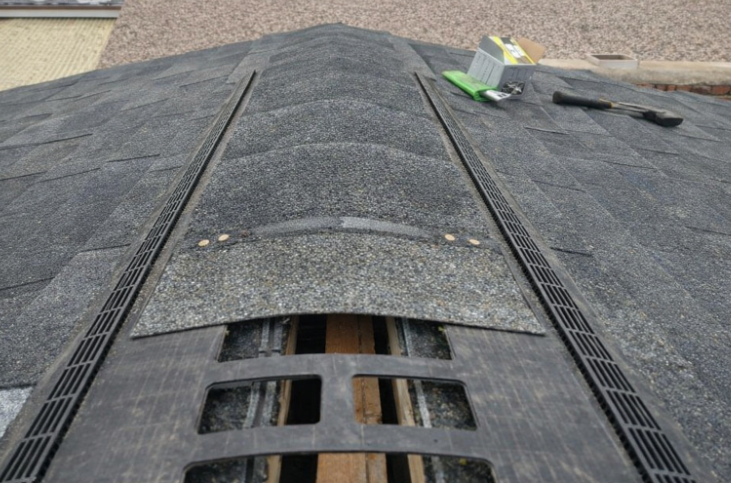
A leaking roof is one of the most stressful emergencies a homeowner can face. Whether it happens during a heavy rainstorm, after a hailstorm, or in the middle of spring snowmelt, a roof leak can quickly turn into a much larger problem if it isn’t addressed immediately. Water can spread rapidly through ceilings, walls, insulation, and structural framing, causing extensive damage that is often far more expensive than the original roofing issue.
For homeowners in Edmonton, knowing what to do during a roofing emergency can make a significant difference in limiting damage and reducing repair costs. Acting quickly, protecting your home’s interior, and arranging professional repairs are all essential steps.
Whether you’re searching for roofing leak repairs near me, emergency roof repair Edmonton, roof repair Edmonton, roofing companies Edmonton, best roofing companies Edmonton, roofing contractor close by Alberta, or residential roofing near me, this guide explains exactly what every homeowner should do before water damage gets worse.
Why Roof Leaks Should Never Be Ignored
A roof leak rarely stays in one place.
Once water enters the roofing system, it can travel through:
- Roof decking
- Insulation
- Ceiling cavities
- Interior walls
- Electrical systems
- Structural framing
Even a small leak can eventually result in:
- Mold growth
- Rotten wood
- Damaged drywall
- Ceiling collapse
- Increased repair costs
The sooner the problem is addressed, the easier and less expensive the repair is likely to be.
Common Causes of Emergency Roof Leaks in Edmonton
Edmonton’s climate places tremendous stress on roofing systems throughout the year.
Common causes of emergency roof leaks include:
Storm Damage
High winds can:
- Remove shingles
- Lift flashing
- Expose underlayment
Heavy rain quickly follows these openings, allowing water to enter the home.
Hail Damage
Large hailstones can:
- Crack shingles
- Remove protective granules
- Damage flashing
- Create hidden punctures
Many leaks begin weeks or months after a hailstorm.
Ice Dams
One of Alberta’s most common winter roofing problems.
Ice dams form when melting snow refreezes near roof edges.
Water becomes trapped behind the ice and is forced beneath shingles.
Aging Roofing Materials
Over time roofing materials naturally deteriorate.
Older roofs become more vulnerable to:
- Cracks
- Loose shingles
- Worn sealants
- Flashing failure
Poor Installation
Improper installation can create weak points that eventually allow water infiltration.
Professional installation is critical for long-term roof performance.
Step 1: Stay Calm and Protect Your Family
The first priority is safety.
If water is entering the home:
- Keep family members away from affected areas.
- Avoid standing water near electrical outlets or fixtures.
- Turn off electricity if water is approaching electrical systems and it is safe to do so.
Never climb onto a roof during severe weather.
Step 2: Contain the Water Inside
Preventing additional interior damage should begin immediately.
Use:
- Buckets
- Plastic containers
- Towels
- Waterproof tarps
to collect dripping water.
If water is pooling inside a ceiling, carefully puncturing the lowest point of the bulge can allow controlled drainage into a bucket. This can help prevent a larger ceiling collapse, but it should only be done if it is safe to do so.
Step 3: Move Valuable Items Out of the Area
Water spreads quickly.
Move:
- Furniture
- Electronics
- Rugs
- Artwork
- Important documents
away from the affected area.
Cover larger items with plastic sheeting if moving them isn’t possible.
Step 4: Document the Damage
Before cleanup begins, take photographs of:
- Ceiling stains
- Water intrusion
- Damaged roofing materials (if visible from the ground)
- Interior damage
- Damaged belongings
Detailed documentation can be helpful for insurance claims and repair planning.
Step 5: Avoid DIY Roof Repairs During a Storm
Many homeowners are tempted to climb onto the roof immediately.
This is extremely dangerous.
Avoid attempting repairs during:
- Rain
- Snow
- Ice
- High winds
- Lightning
Wet roofing materials become extremely slippery and unstable.
Always prioritize personal safety.
Step 6: Contact a Professional Roofing Contractor Immediately
Once immediate safety measures are in place, arrange for a professional roof inspection.
Emergency roofing professionals can:
- Locate the source of the leak
- Assess storm damage
- Perform temporary protection if necessary
- Recommend permanent repairs
Quick professional intervention helps prevent additional water damage.
What Happens During an Emergency Roof Inspection?
Professional roof inspections evaluate:
Roofing Materials
Inspectors check for:
- Missing shingles
- Cracked shingles
- Lifted shingles
- Storm damage
Flashing
Areas around:
- Chimneys
- Skylights
- Plumbing vents
- Roof valleys
are carefully examined for water entry points.
Roof Decking
Professionals inspect for:
- Moisture damage
- Soft spots
- Structural concerns
Attic Inspection
Many leaks become more obvious from inside the attic.
Inspectors check for:
- Water staining
- Wet insulation
- Mold
- Ventilation issues
Temporary Emergency Roof Protection
In some cases, permanent repairs cannot be completed immediately due to weather conditions.
Temporary protection may include:
- Waterproof tarps
- Temporary sealing
- Leak diversion
- Moisture control
These measures help reduce additional damage until permanent repairs can be completed.
Common Emergency Roof Repairs
Depending on the cause of the leak, repairs may involve:
Shingle Replacement
Replacing missing or damaged shingles restores the roof’s protective barrier.
Flashing Repair
New flashing prevents water from entering around roof penetrations.
Leak Repair
Roofing professionals identify the true source of water intrusion rather than simply treating visible symptoms.
Metal Roofing Repairs
Homeowners searching metal roofing near me may require repairs involving:
- Loose fasteners
- Damaged panels
- Sealant replacement
- Flashing upgrades
Structural Repairs
Severe leaks may require:
- Roof decking replacement
- Wood framing repairs
- Insulation replacement
Prompt repairs minimize structural deterioration.
The Cost of Delaying Roof Repairs
Many homeowners postpone repairs because the leak appears minor.
Unfortunately, water damage spreads quickly.
A small roofing repair may eventually lead to:
- Mold remediation
- Drywall replacement
- Flooring damage
- Ceiling replacement
- Structural repairs
Delaying repairs almost always increases total repair costs.
Preventing Future Emergency Roof Leaks
Routine maintenance remains the best defense.
Recommended maintenance includes:
Annual Roof Inspections
Professional inspections identify small problems before they become emergencies.
Gutter Cleaning
Clean gutters improve drainage and reduce ice dam formation.
Storm Damage Assessments
After hail or windstorms, schedule an inspection even if no obvious damage is visible.
Prompt Minor Repairs
Repairing small roofing problems immediately helps prevent major emergencies.
When Roof Replacement May Be Necessary
Emergency repairs sometimes reveal that a roof has reached the end of its useful life.
Replacement may be the better long-term option when:
- Multiple leaks exist
- Storm damage is widespread
- Roofing materials are severely deteriorated
- Repairs are becoming increasingly frequent
Modern roofing systems often provide improved durability, energy efficiency, and weather resistance.
Why Local Roofing Experience Matters
When searching:
- Roofing companies Edmonton
- Best roofing companies Edmonton
- Roofing contractor close by near me
- Residential roofing contractor close by
- Affordable roofing near me
choose professionals familiar with Alberta’s unique weather conditions.
Local experience helps ensure:
- Accurate inspections
- Appropriate repair recommendations
- Roofing systems designed for Alberta’s climate
- Faster emergency response
Roof Repairs and Exterior Maintenance
Many homeowners choose to combine emergency roof repairs with additional exterior improvements such as:
- Exterior painting
- Fascia replacement
- Soffit repairs
- Gutter upgrades
Addressing multiple exterior components at once helps improve weather protection while enhancing curb appeal.
Final Thoughts
An emergency roof leak can happen without warning, but the way homeowners respond can make a significant difference in protecting their property. Taking immediate steps to contain water, protect belongings, document damage, and contact a qualified roofing contractor helps minimize repairs and prevents small problems from becoming major structural issues.
For homeowners throughout Edmonton, St. Albert, Sherwood Park, Beaumont, Leduc, Devon, Spruce Grove, and Stony Plain, fast action, professional inspections, and high-quality repairs are the keys to restoring a roof and protecting a home from Alberta’s unpredictable weather.
Whether you’re dealing with storm damage, ice dams, aging roofing materials, or unexpected leaks, addressing the problem promptly helps preserve your home’s value and provides peace of mind for years to come.

